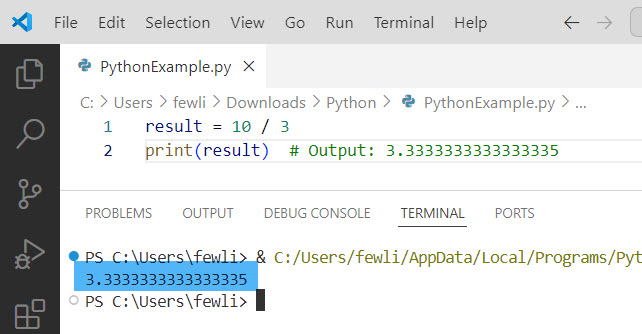
Difference Between / and // in Python Division
difference between / and // in python division

I got a question in the New York Python user group today about the difference between / and // in Python division. In this tutorial, I will explain the difference between / and // in Python division with examples. After this, you will know when to use these two operators in Python. The / Operator: … Read more
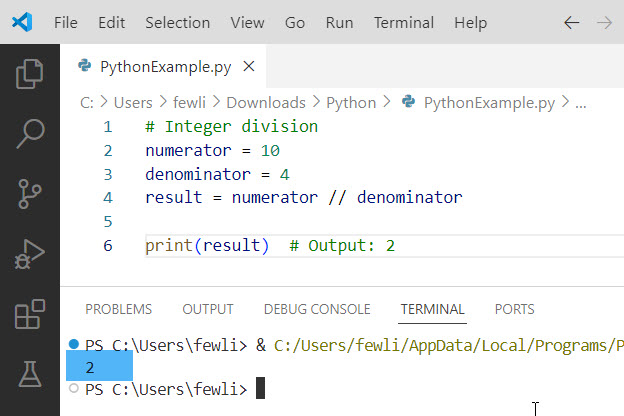
How to Divide a Variable in Python?

python division operator

One of my team members recently tried to divide a variable in Python. I suggested different methods. In this tutorial, I will show you how to divide a variable in Python using various methods with complete examples. To divide a variable in Python using the basic method, you simply use the single forward slash (/) … Read more

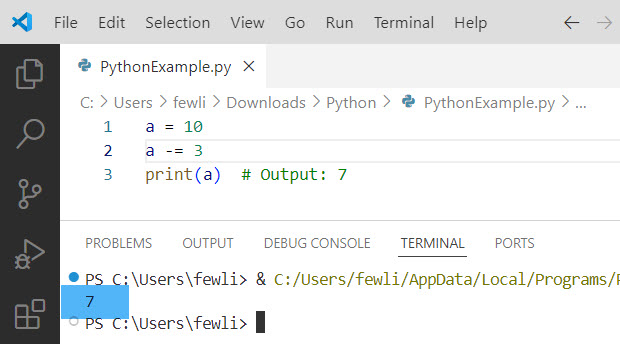
How to Subtract from a Variable in Python?

subtract from a variable in python

Recently, I was doing some Python programming and learned different methods to subtract from a variable in Python. In this tutorial, I will show you how to subtract from a variable in Python with different examples and complete code. To subtract from a variable in Python, you can use the -= operator, which is a … Read more

How to Multiply a Variable in Python?

multiply a variable in python

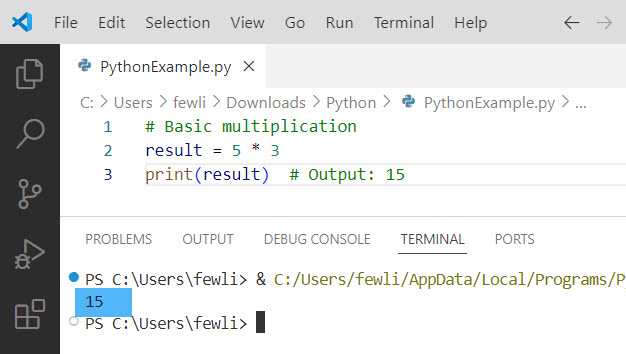
Recently, we were working on a shopping cart application in Python, and we were required to do some multiplication. In this tutorial, I will show you how to multiply a variable in Python using different methods and examples. To multiply variables in Python, you simply use the * operator. For example, if you have two … Read more

How to Increment a Variable in Python?

how to increment a variable in python

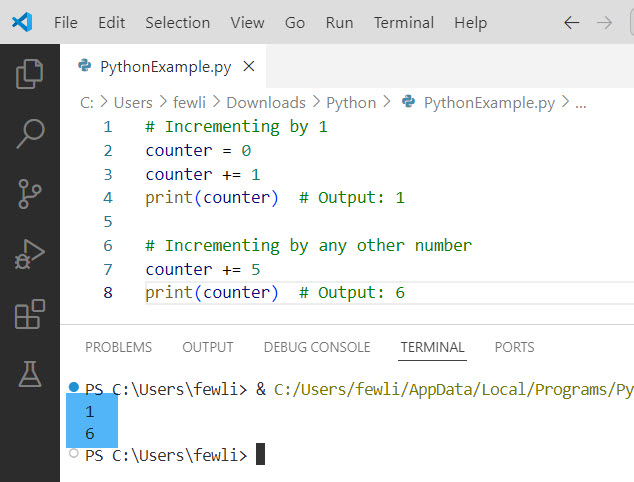
Do you want to know how to Increment a variable in Python? In this tutorial, I will show you various ways to increment a variable in Python using clear examples and practical scenarios. So, it will be helpful to you. To increment a variable in Python, the most common and efficient method is using the … Read more

Double Asterisk (**) in Python [With Examples]

double asterisk in python

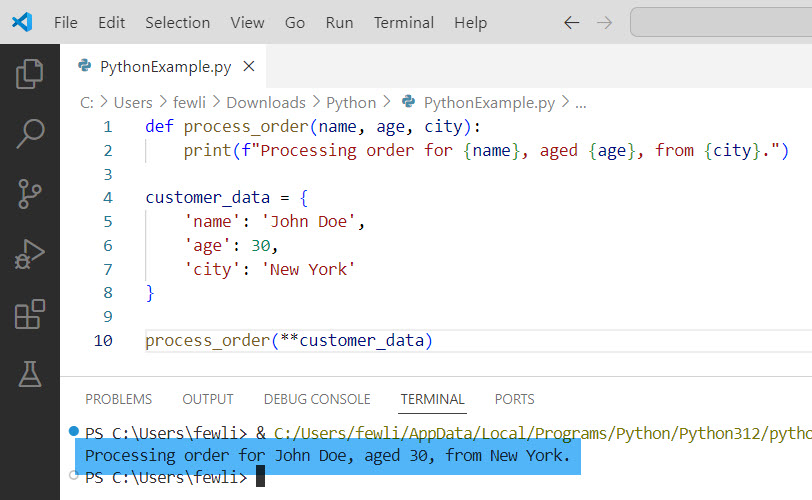
I recently discussed this topic in the New York Python user group: the double asterisk (**) in Python. I thought I would share everything here. In this tutorial, I will explain how to use the double asterisk (**) in Python with various examples. The double asterisk (**) in Python is primarily used for unpacking dictionaries, … Read more

Asterisks (*) in Python

asterisk operator in python

Recently, someone asked me how to use the asterisks (*) before variables in Python. I will give you examples of how to use asterisks (*) before variables in Python. In Python, a single asterisk (*) before a variable name in a function definition, commonly denoted as *args, allows the function to accept an arbitrary number … Read more

How to Call a Variable from Another Function in Python?

how to call a variable from another function in python

In this tutorial, I will show you how to call a variable from another function in Python using different methods and examples. This is a bit tricky, and I hope all these examples will be helpful. To call a variable from another function in Python using the global variable method, you declare the variable outside … Read more

How to Use Static Variables in Functions in Python?

Static Variables in Functions in Python

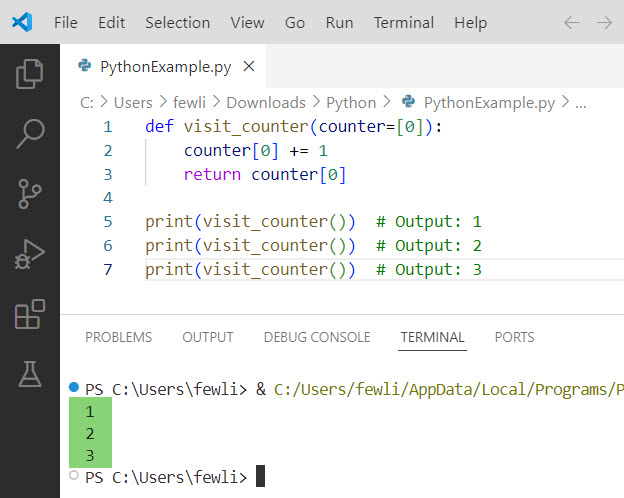
Today, I will tell you about a tricky concept: static variables within Python functions. In this tutorial, I will guide you through various methods to implement static variables in functions in Python. To use a static variable in a Python function, you can leverage default mutable arguments. This technique uses a mutable data type like … Read more

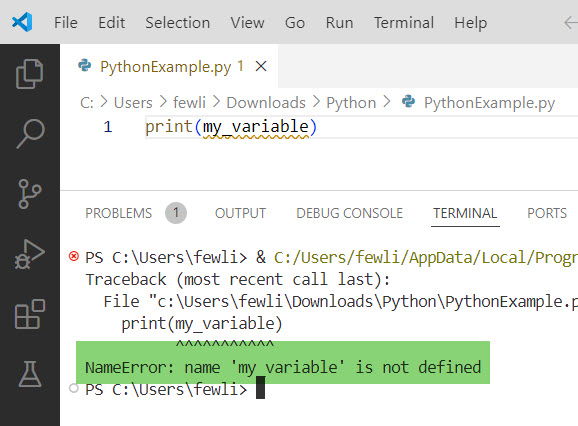
Python Variable Not Defined Error

python variable not defined

Hey everyone! Today, I want to share my experience with one of the most common errors in Python that I encountered recently: the “Python variable not defined” error. Let me explain the common causes and how to fix the error. What is a “Variable Not Defined” Error in Python? In Python, a “variable not defined” … Read more