How to Make a Variable Global in Python?
Create a Global Variable in Python

Recently, one of my team members was asking to know how to make a variable global in Python. I suggested a complete solution. In this tutorial, I will show you how to make a variable global in Python using various methods and examples. Variables can either be local or global. Local variables are defined within … Read more

How to Check if a Variable Exists in Python?

Check if a Variable Exists in Python

Recently, in one of our Python workshops in New York, someone asked how to check if a variable exists in Python. I explained different methods using a real-time example. Let’s understand it. To check if a variable exists in Python, you can use the locals() and globals() functions, which return dictionaries of the current local and global symbol tables, … Read more

How to Print String and Variable in Python?

print string and variable in Python

As a mentor, I recently received a question related to printing a string and a variable in Python. You can achieve this using different methods. In this tutorial, I will show you how to print string and variable in Python using different methods and examples. To print strings and variables in Python using the print() … Read more

How to Use Static Variables in Python?

how to use python static variables

Recently, I was required to maintain some form of state or configuration that is common to all objects of a class in Python. Static variables are the best option for this. In this tutorial, I will show you how to use static variables in Python with some real examples. Static variables in Python, also known … Read more

How to Create Multiple Variables in a For Loop in Python?

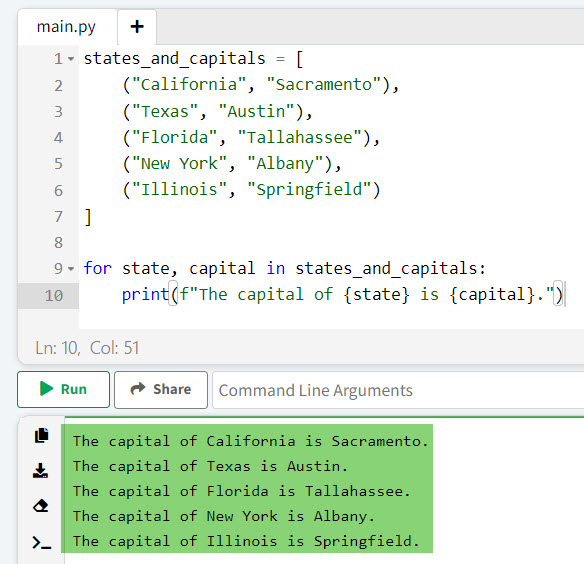
Create Multiple Variables in a For Loop in Python

Recently, one of my team members tried to create multiple variables in Python, so I suggested a slightly advanced approach. In this tutorial, I will show you how to create multiple variables in a for loop in Python using different methods and examples. To create multiple variables in a Python for loop, you can iterate over a … Read more

How to Create Dynamic Variables in Python?

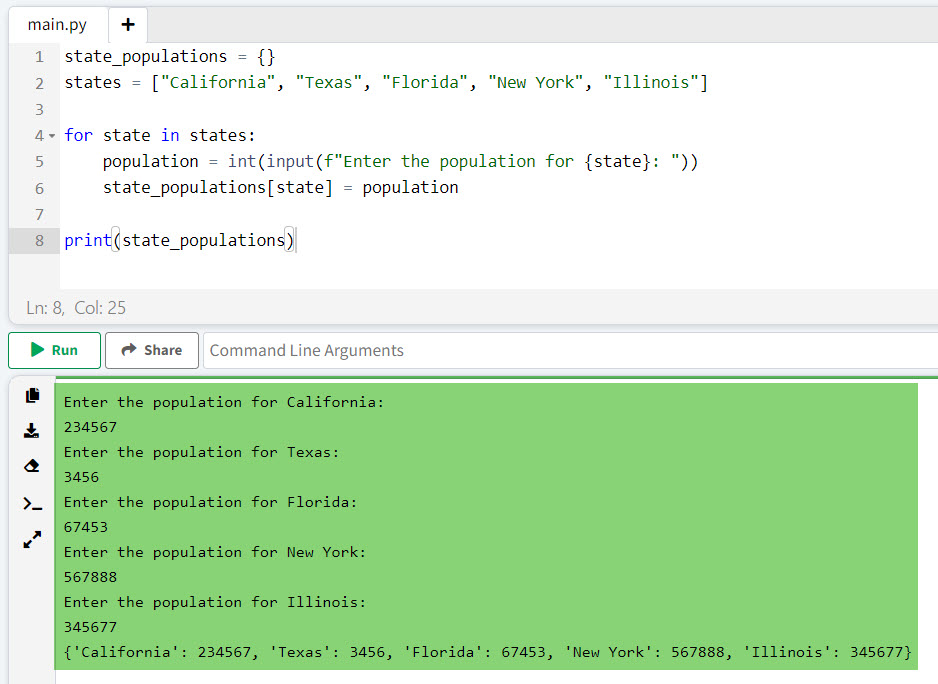
Create Dynamic Variables in Python

Dynamic variables in Python are variables where variable names and values can be generated and manipulated at runtime. This can be particularly useful in scenarios where the number of variables or their names are not known ahead of time. In this tutorial, I will show you various methods to create dynamic variables in Python, with … Read more

How to Print Variable Names in a For Loop in Python?

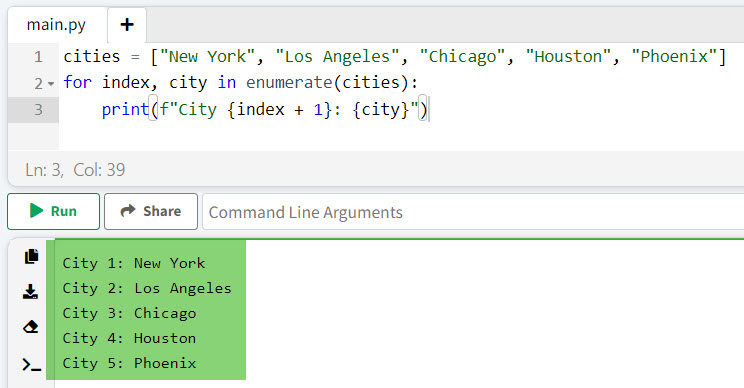
Print Variable Names in a For Loop in Python

A team member struggled to print variable names in a for loop in Python. I suggested a few methods. In this tutorial, I will explain how to print variable names in a for loop in Python using various methods with real-time examples. It is tricky as we are not printing the values of variables; instead, we want … Read more

How to Print A Variable in Python?

print a variable name in python

Recently, I was teaching Python to someone and explained different methods to print a variable in Python. In this tutorial, I will show you how to print a variable in Python using different methods with real examples. To print a variable in Python using the basic print() function, simply pass the variable as an argument … Read more

Python local variable referenced before assignment

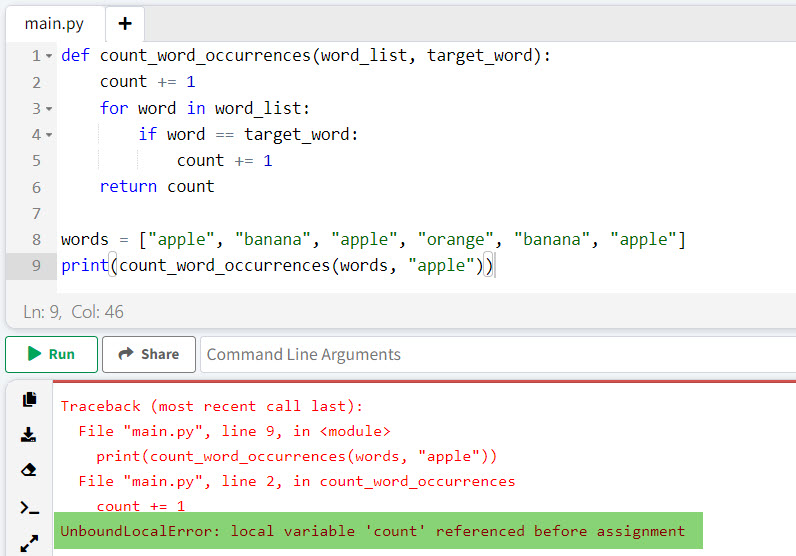
unboundlocalerror in python

Recently, while doing some Python programming, I got the error as “Python local variable referenced before assignment“. I will show you here when I receive the error and how to fix this. Local variable referenced before assignment in Python I was working on a simple function in Python to count the number of times a specific word appears in … Read more

What Is String in Python with Example?

What Is String in Python with Example

In Python, strings are a sequence of characters, like the letters, numbers, and symbols you type on your keyboard. A string in Python can be defined using either single or double quotes. For instance, both string1 = “Hello, New York!” and string2 = ‘Hello, New York!’ are valid strings. Strings in Python act like arrays … Read more